The Cold File Cold case
Cold case
Murders the legal record never closed. The spine of this shelf is the trial transcript, the indictment, the inquest, the coroner's finding, and the police file where it survives. Do-no-harm is absolute here, on victims and on defendants who were tried and acquitted or never tried at all. We do not name a killer the courts did not name; where modern scholarship reads the evidence one way and the verdict reads it the other, we set both down and keep them separate. The cases here are open because the legal record left them open, and that is what we report.
17 cases on file. 17 unexplained.
Case files
-
The Man Who Jumped: The Unsolved Hijacking of Flight 305, 1971
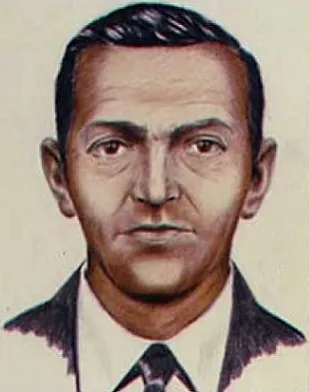
On the night before Thanksgiving 1971, a man in a dark suit hijacked a Northwest Orient jet, took $200,000 and four parachutes, and jumped into the dark over southwest Washington. After one of the largest manhunts in FBI history, the only unsolved air-piracy case in United States history was closed without a name. Who he was, and whether he survived the jump, are both still open.
The open question Who was the man who hijacked Flight 305 and parachuted into the night, and did he survive the jump?
-
The Woman Who Erased Herself: The Isdal Woman, 1970
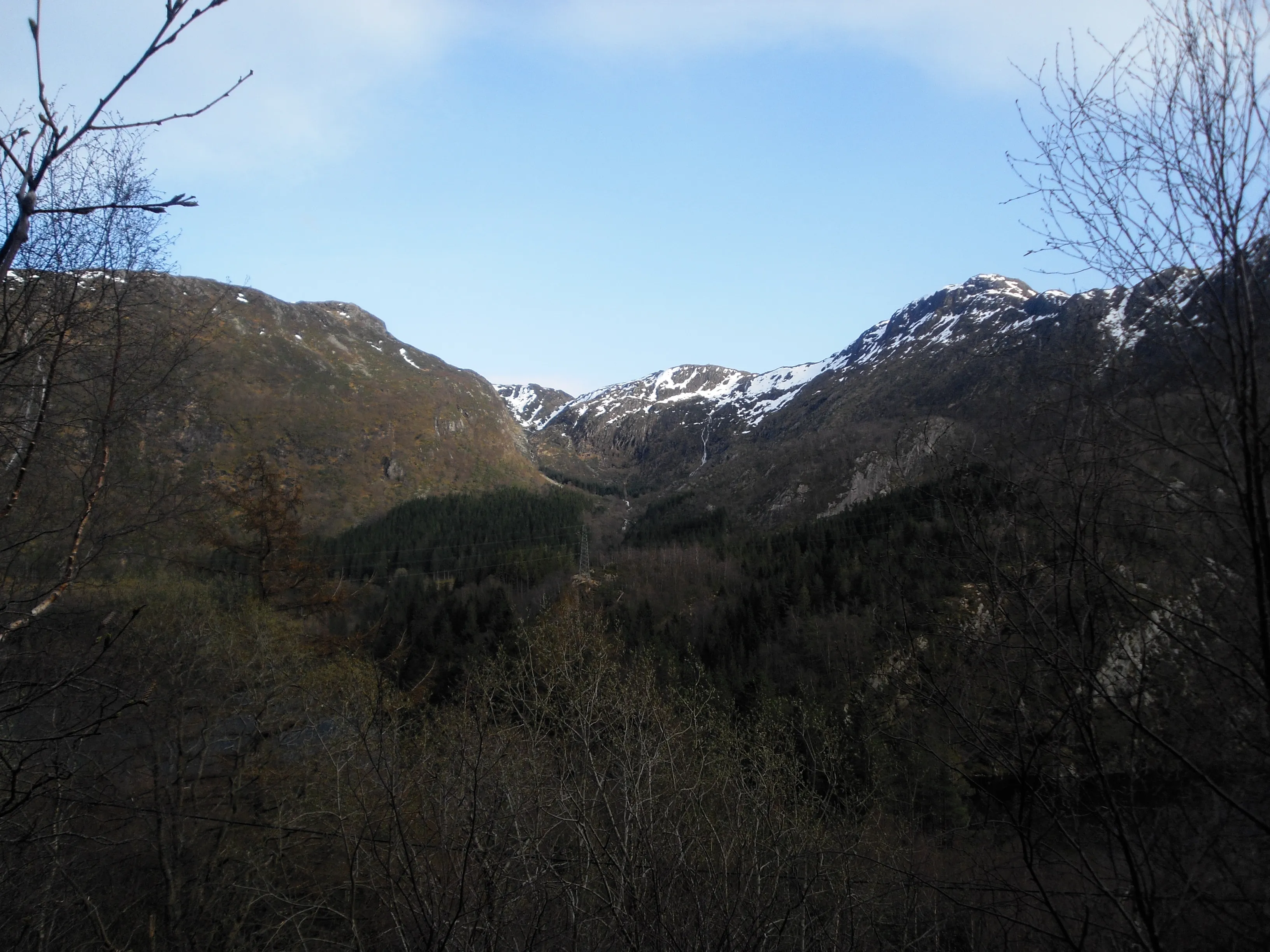
She moved through Norway under at least eight names, scratched the labels from her clothes and her doctor's name from a prescription, and kept her own travels in code. Fifty years and a modern reinvestigation later, no one can say who she was, or how she died.
The open question Who was the woman who moved through Norway under at least eight false identities, and did she take her own life or was she killed?
-
The Bedroom at Westbourne: The Murder of Sir Harry Oakes, 1943
One of the wealthiest men in the British Empire was beaten to death in his bed in Nassau during a tropical storm in July 1943. His son-in-law was tried and acquitted by a 9-3 jury, the investigation was widely judged botched at the time, and the case remains officially unsolved.
The open question Who killed Sir Harry Oakes at Westbourne on the night of 7 to 8 July 1943, and why was the investigation so badly botched?
-
The Name Was Only Graffiti: Who Put Bella in the Wych Elm, 1943
In April 1943 four boys found a woman's skull inside a hollow wych elm in Hagley Wood, and police recovered the skeletonized remains of an unidentified woman who had been concealed in the trunk around October 1941, gagged and most likely asphyxiated. She was never identified. The name "Bella" came from anonymous chalk graffiti, not from any identification, and the competing wartime-spy and witchcraft theories long outran an evidence trail that has since gone cold: the remains and the original forensic report are now lost.
The open question Who was the woman concealed inside the Hagley Wood wych elm, and who put her there, neither of which has ever been established?
-
The Call to a Street That Did Not Exist: The Murder of Julia Wallace, 1931
In January 1931 a Liverpool woman was beaten to death in her own parlour while her husband searched the far side of the city for a customer and an address that did not exist, an errand set up the night before by a telephone caller who gave the name Qualtrough. The husband was convicted, then cleared on appeal. No one else was ever charged, and the case survives as one of the most analysed and least settled murder puzzles in the British record.
The open question Who made the Qualtrough call and killed Julia Wallace, given that the one man tried for it was acquitted on appeal and no one else was ever charged?
-
The Tonic at 29 Birdhurst Rise: The Croydon Poisonings, April 1928 to March 1929
Between April 1928 and March 1929 three members of one South Croydon family died of arsenic poisoning within ten months. The 1929 exhumation post-mortems by Sir Bernard Spilsbury, Dr Robert Bronté and the Home Office analyst Dr John Ryffel confirmed arsenic in all three bodies and in the residue of the victim's tonic. Three Croydon inquests returned wilful murder by some person or persons unknown. The Scotland Yard inquiry led by Detective Inspector Frederick Hedges focused on the household but never brought a charge. Ninety-seven years on, the case remains officially unsolved.
The open question What administered the fatal arsenic that killed three members of the Sidney and Duff family of South Croydon, Edmund Creighton Duff on the night of 26 to 27 April 1928, Vera Sidney on 13 to 15 February 1929, and Violet Sidney on the afternoon and evening of 5 March 1929, when the Spilsbury, Bronté and Ryffel exhumation findings of 1929 confirmed arsenic in all three bodies, the chemist's records at Selsdon Road showed Edmund himself had purchased Hobbs weed killer twice in late 1927, the three Croydon inquests returned wilful murder by some person or persons unknown, the Hedges Scotland Yard investigation focused on the household but the Crown never charged anyone, and the modern critical readings split sharply between Whittington-Egan in 1975 naming Grace Duff and Janes in 2010 arguing none of the three was necessarily murdered at all?
-
Under the Crabapple Tree: The Hall-Mills Murders, 1922
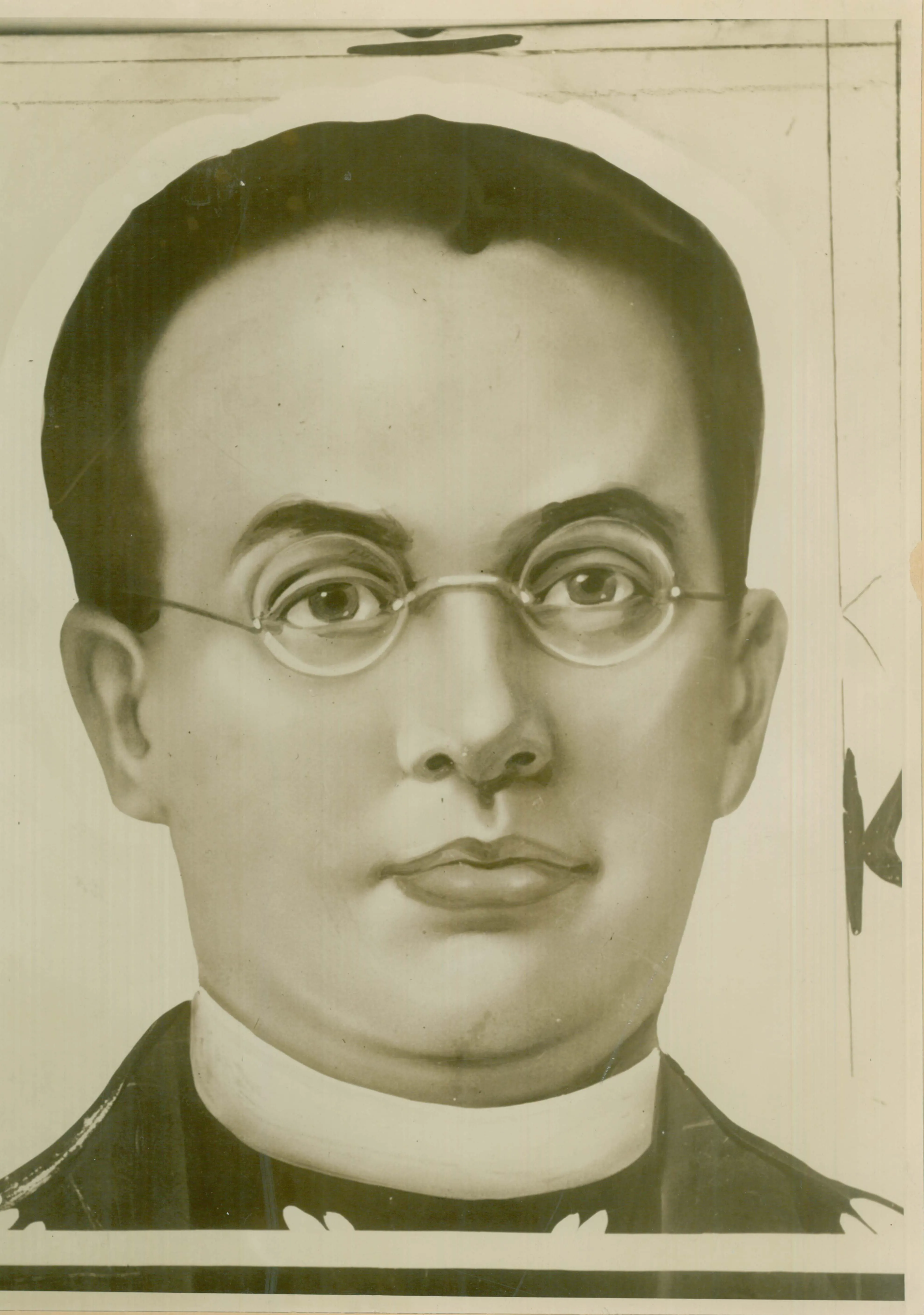
In September 1922 a married Episcopal priest and a married soprano from his choir were found shot dead and posed side by side under a crabapple tree near New Brunswick, their love letters scattered between them. A botched investigation split across two counties, and a sensational 1926 trial that acquitted the priest's widow and her two brothers, left the case one of the most famous unsolved murders in American history.
The open question Who shot Rev. Edward Hall and Eleanor Mills under the crabapple tree and posed their bodies, given that the only people ever tried for it were acquitted and no one else was ever charged?
-
The Bungalow at Alvarado Court: The Murder of William Desmond Taylor, 1922
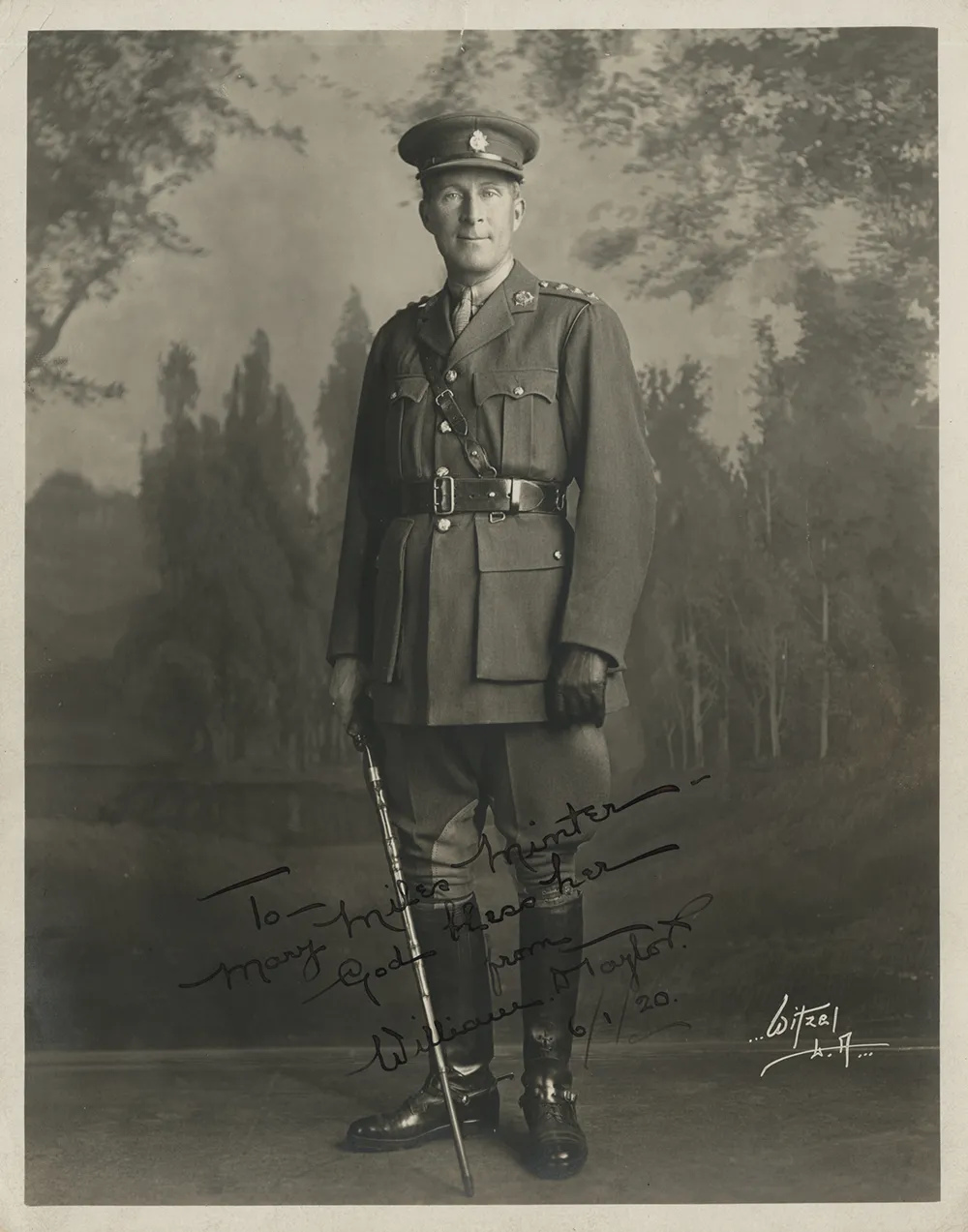
On the night of 1-2 February 1922 the silent-film director William Desmond Taylor was shot dead inside his Hollywood bungalow. The investigation was compromised at the scene the following morning, a string of named persons of interest came and went, and the case has remained officially unsolved for more than a century.
The open question Who shot William Desmond Taylor in his Alvarado Court bungalow on the night of 1-2 February 1922, and why has no theory advanced in the century since been accepted as a solution?
-
The Locked Reception Room at 244 West 70th Street: The Killing of Joseph Bowne Elwell, 1920
On the morning of 11 June 1920 the leading American auction bridge authority was found shot through the forehead in a chair in his locked Manhattan brownstone. The New York Police Department, the District Attorney, and a grand jury investigated through the summer and autumn of 1920, and no one was ever charged.
The open question Who shot Joseph Bowne Elwell through the forehead in the reception room of his locked Manhattan brownstone on the morning of 11 June 1920?
-
The House on Second Street: The Borden Murders, 1892
On a hot August morning in 1892 a Fall River banker and his second wife were killed with a hatchet in the small, locked house they shared with the banker's younger daughter and an Irish housekeeper. The daughter was tried for both murders the next year and acquitted. No one else was ever charged, and the case has been argued over for more than a century without ever being settled.
The open question Who killed Andrew and Abby Borden in the small, locked house at 92 Second Street that morning, given that the one person tried for it was acquitted and no one else was ever charged?
-
The Priory, Balham, April 1876: The Death of Charles Bravo
A young London barrister was poisoned at his own dinner table on the night of 18 April 1876 and died three days later. A coroner's jury, sitting at a Balham hotel for twenty-three days under the Attorney-General's eye, returned a verdict of wilful murder by a person or persons unknown. No one was ever charged. The argument over who poisoned Charles Bravo has run for fifteen decades.
The open question Who administered the fatal dose of tartar emetic to Charles Bravo on 18 April 1876, given that a twenty-three-day public inquest returned a verdict of wilful murder by a person or persons unknown and no one was ever charged?
-
The Sauchiehall Street Chemist and the Not Proven Verdict: The Death of Pierre Emile L'Angelier and the Trial of Madeleine Smith, 1857
Pierre Emile L'Angelier died of acute arsenic poisoning at his Glasgow lodgings in the early hours of 23 March 1857. Madeleine Hamilton Smith, the 21-year-old daughter of a Glasgow architect, had bought arsenic at Sauchiehall Street chemists on 21 February, 6 March and 18 March 1857, and had written him roughly 250 letters over two years. On 9 July 1857 a jury at the High Court of Justiciary, Edinburgh, returned Not Guilty on one charge and Not Proven on the other two. The case has been argued over for one hundred and sixty-nine years.
The open question Did Madeleine Hamilton Smith poison her secret lover Pierre Emile L'Angelier with arsenic at Glasgow in February and March 1857, and if so, why did her trial at the High Court of Justiciary, Edinburgh return Not Proven rather than either Guilty or Not Guilty on 9 July 1857?
-
Mary Rogers: the 1841 New York case the penny press could not solve
A young clerk left a Nassau Street boarding house on a Sunday morning in July 1841 and was found dead in the Hudson three days later. In the 184 years since, three lines of suspicion have surfaced and gone nowhere, and no one has ever been charged.
The open question What happened to Mary Rogers between her departure from the boarding house at 126 Nassau Street on the morning of Sunday 25 July 1841 and the recovery of her body from the Hudson off Hoboken three days later, on Wednesday 28 July 1841?
-
41 Thomas Street, 10 April 1836: the murder of Helen Jewett
A 22-year-old woman was killed with a hatchet in her bed in a Manhattan brothel in the small hours of 10 April 1836. The 19-year-old client whose cloak was found in the back yard was tried that June, instructed against by the judge, and acquitted in under half an hour. He fled west and died nineteen years later under a different name. The legal record is acquittal. Modern scholarship considers him the killer. The case is unsolved.
The open question Who killed Helen Jewett in her bed at Rosina Townsend's brothel at 41 Thomas Street in the early hours of 10 April 1836, given that Richard P. Robinson was acquitted under contested circumstances and never re-charged?
-
Penn's Mill, 27 May 1817: the death of Mary Ashford and the abolition of trial by battle
A 20-year-old domestic servant was found dead in a water-filled pit outside Erdington at seven in the morning. The man tried for her killing was acquitted in six minutes, then, when her brother brought an ancient private appeal, offered to fight him in single combat at the bar of the Court of King's Bench. The judges ruled the medieval right still good, Parliament abolished it within fifteen months, and 209 years later the case itself remains unexplained.
The open question What happened to Mary Ashford between Hannah Cox's just-before-four-o'clock sighting at her mother's house in Erdington and George Jackson's seven-o'clock discovery of her body at the Penn's Mill pit, and did the man tried and acquitted for her rape and murder have anything to do with it?
-
Primrose Hill, 17 October 1678: the death of Sir Edmund Berry Godfrey
A Westminster magistrate left his house on a Saturday morning in October 1678 and did not come back. Five days later his body was found face down in a ditch on Primrose Hill, his own sword driven through it, his shoes clean, his money intact, a ligature mark around his neck. Three innocent men were hanged at Tyburn on the perjured testimony of two confessed perjurers. The conspiracy for which they hanged was itself a fabrication. No scholarly analysis since 1903 has produced a finding the field has accepted.
The open question Who killed Sir Edmund Berry Godfrey between 12 and 17 October 1678, given that three innocent men were hanged on perjured testimony, that the wider Popish Plot for which the killing was prosecuted was itself a fabrication, and that no scholarly analysis since 1903 has produced a finding the field has accepted?
-
The Wren Urn at Westminster: The Disappearance of Edward V and Richard of York, Tower of London, Summer 1483
Five hundred and forty-three years on, the fate of Edward V and his nine-year-old brother is still contested by the documentary record itself: a 1483 London rumour, four Tudor chronicles, an unverified 1502 confession, the 1674 bones in Sir Christopher Wren's urn at Westminster Abbey, and Philippa Langley's 2023 case that both princes survived to lie behind the Simnel and Warbeck risings.
The open question What became of King Edward V (12) and Richard of Shrewsbury, Duke of York (9), sons of Edward IV, last reliably documented at the Tower of London in the late summer of 1483: were they murdered at Richard III's order, killed later under Henry VII, killed by Buckingham, or did they survive and lie behind the Simnel and Warbeck pretender risings?