The Cold File Maritime
Maritime
Lost ships, abandoned vessels, ghost wrecks, and unidentified maritime casualties, read through the paperwork the sea produced. The discipline of this shelf is the marine board file: the lifeboat returned without its crew, the hull recovered without its complement, the log that ends mid-watch. We use the formal inquiries first, the salvage assessors and naval architects second, and the sea folklore last and labeled. Every case here has a documented hull, a documented voyage, and a documented gap in the record where the people were. The point is the gap, set down honestly, with the paper that bounds it.
18 cases on file. 16 unexplained, 2 partially explained.
Case files
-
Twenty Metres Above the Waterline: The Loss of MV München, 1978
A modern West German LASH carrier vanished in an exceptional North Atlantic storm in December 1978, leaving only fragmentary distress signals, scattered debris, and a starboard lifeboat whose davit pins had been bent fore to aft some twenty metres above her waterline. The storm broke her. The specific mechanism that destroyed her so quickly is what the Seeamt Bremerhaven could not establish, and what the case is still about.
The open question What specifically destroyed MV München so quickly in the North Atlantic storm of 12-13 December 1978 that her radio messages were already garbled and her position 100 nautical miles off, when her wreck has never been found and her official inquiry held that the cause could not be established with certainty.
-
The Loss of MV Berge Istra: An Ore-Bulk-Oil Carrier Vanished in the Western Pacific, 29 to 30 December 1975
A 227,550 dwt Liberian-flagged, Norwegian-owned ore-bulk-oil carrier on a Tubarão-to-Kimitsu iron-ore voyage with a crew of 32 went silent in the western Pacific southeast of Mindanao on or about 29 to 30 December 1975; nineteen days later, the Japanese fishing vessel Hachi-O-Maru 6 picked up two Canarian able seamen, Imeldo Barreto León and Epifanio Perdomo López, on an improvised raft, the only survivors; the Liberian flag-state inquiry attributed the loss to an internal explosion of hydrocarbon vapours but did not publish its full findings; no wreckage has ever been recovered.
The open question What destroyed MV Berge Istra, the 227,550 dwt ore-bulk-oil carrier (Liberian flag, Norwegian-owned by Sig. Bergesen d.y. of Bergen, built 1972 at Uljanik shipyard Pula Yugoslavia) en route from Tubarão Brazil to Kimitsu Japan with iron ore and a crew of 32, between her last position report on or about 29 to 30 December 1975 in the western Pacific southeast of Mindanao and the picking up of the only two survivors (Canarian able seamen Imeldo Barreto León and Epifanio Perdomo López) by the Japanese fishing vessel Hachi-O-Maru 6 on 18 January 1976, when the survivors reported two large explosions amidships and a sinking within approximately four minutes, when the Liberian flag-state inquiry attributed the loss to an internal explosion of hydrocarbon vapours from inadequately cleaned wing tanks combined with inert-gas system failure but did not publish its full findings, when the sister OBO Berge Vanga vanished on the same trade in October 1979 with all 40 hands and no survivors in similar circumstances, and when no wreckage of either ship has ever been recovered?
-
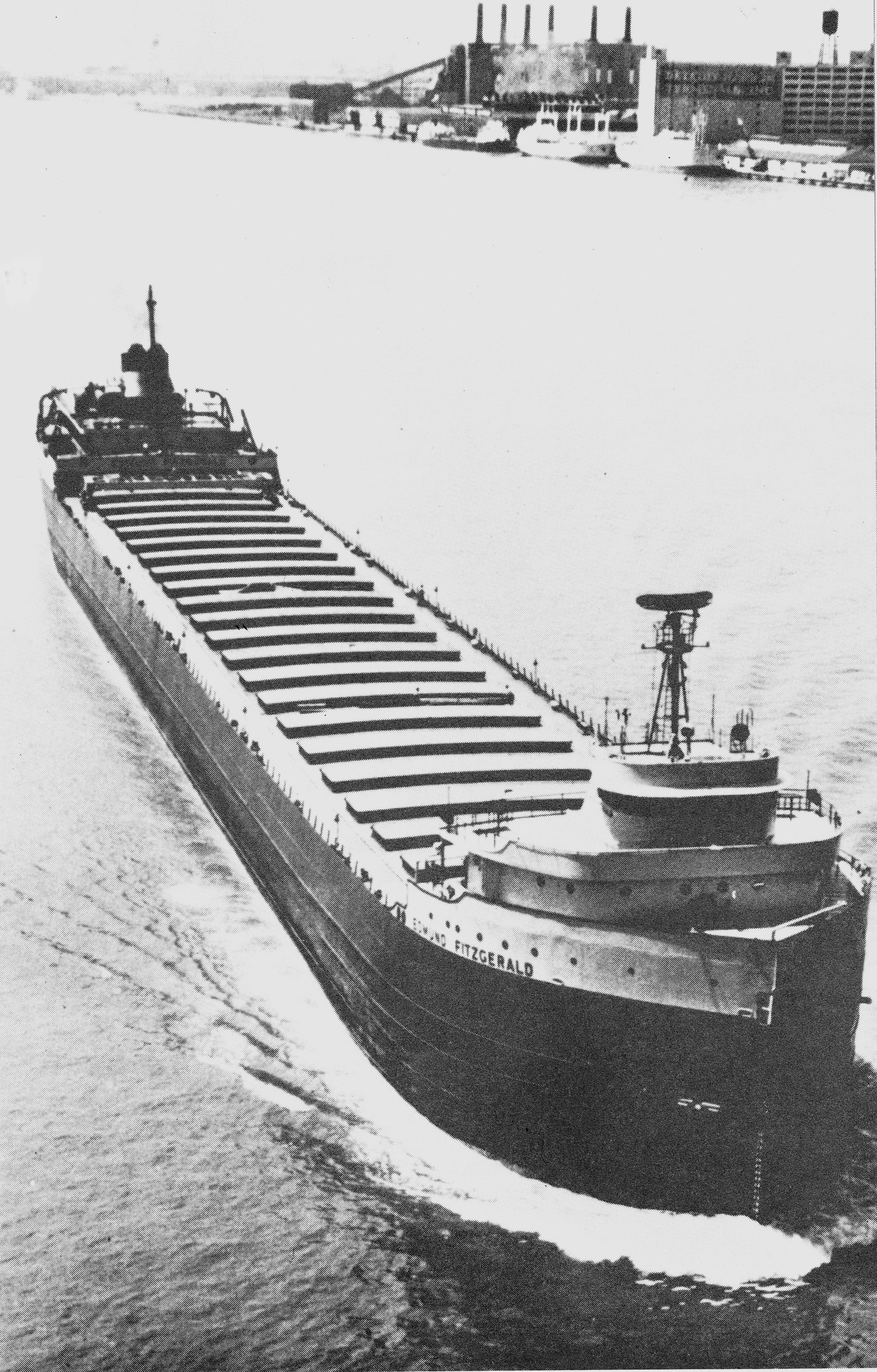
Holding Our Own: The Sinking of the Edmund Fitzgerald, 1975
The largest ship on the Great Lakes vanished from a companion vessel's radar in under ten minutes, with no distress call, on a November night in 1975. The storm sank her. Which failure delivered the killing blow is the part three official investigations could never agree on.
The open question What sent the Edmund Fitzgerald to the bottom of Lake Superior in minutes, with no distress call, and why could the official investigations never agree on which failure caused it.
-
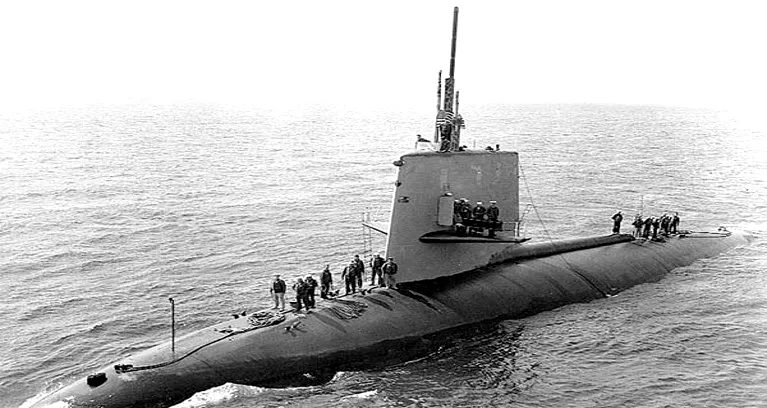
Two Pieces on the Abyssal Plain: The Loss of USS Scorpion, 1968
A US Navy nuclear attack submarine was lost with all 99 crew in deep water southwest of the Azores in May 1968. The Navy's own Court of Inquiry concluded the certain cause could not be ascertained, a separate Navy engineering panel reached a different conclusion, and fifty-seven years later the responsible bodies still do not agree on which failure killed her.
The open question What sank USS Scorpion in deep water southwest of the Azores in May 1968, and why have the Navy and independent analysts been unable to agree on a cause?
-
The 16,500-Foot Recovery: The Loss of K-129 and the Birth of the Glomar Response, 1968 to 1976
A Soviet ballistic missile submarine went down in the North Pacific in March 1968. Six years later the CIA used a purpose-built ship to lift part of her from 16,500 feet, the operation broke into the press in 1975, and a 1976 FOIA case turned the agency's silence into a doctrine. The cause of the sinking is still contested.
The open question What caused the loss of Soviet submarine K-129 in the North Pacific on or about 8 March 1968 with all 98 crew: a battery hydrogen explosion during snorkeling, a collision with USS Swordfish, an R-21 missile propellant failure, a snorkel induction failure, or some combination?
-
Easter Sunday 1964, Nyrøysa: An Unmarked Lifeboat at the World's Most Remote Shore
On 2 April 1964, a Royal Navy helicopter put a survey party from HMS Protector down on a low strip of jumbled rock on the northwest coast of Bouvet Island. About two hundred yards inland, in a small lagoon already occupied by a colony of fur seals, the party found a half-swamped, twenty-foot lifeboat with no markings, no log, and no human remains. On the rocks nearby were a forty-four-gallon drum, a pair of oars, pieces of wood, and a copper buoyancy tank hammered out flat. No vessel of origin has ever been identified in any reputable record. Sixty-two years on, the file is still open.
The open question How did an unmarked ship's lifeboat with associated equipment but no human remains come to rest in a small lagoon on the Nyrøysa platform of Bouvet Island, the world's most remote island, in or before April 1964.
-
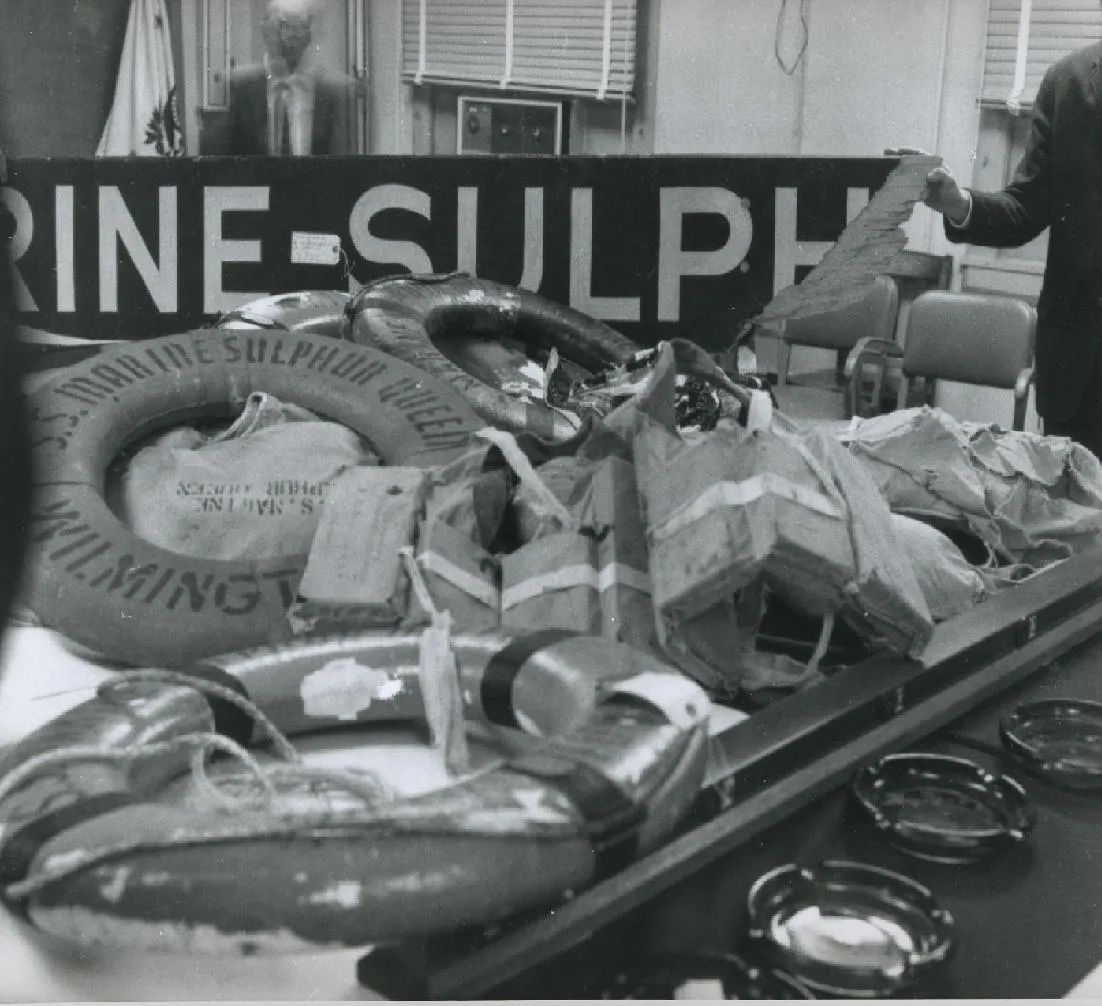
The SS Marine Sulphur Queen, 39 Lost, Four Scenarios Live
A T-2 tanker converted to carry molten sulfur sailed from Beaumont in February 1963 and vanished in the Gulf of Mexico west of the Florida Keys with all thirty-nine crew. The US Coast Guard's Marine Board could not determine the cause and listed four possible scenarios it declined to rank. Eight years later, the Second Circuit found the vessel unseaworthy but denied punitive damages on the ground that no one knows how the ship was lost.
The open question What happened to the SS Marine Sulphur Queen between her last radio message at 0125 EST on 4 February 1963 in the Gulf of Mexico west of the Florida Keys, and the certainty of her loss days later when she failed to arrive at Norfolk and only three positively identified pieces of debris were eventually recovered?
-
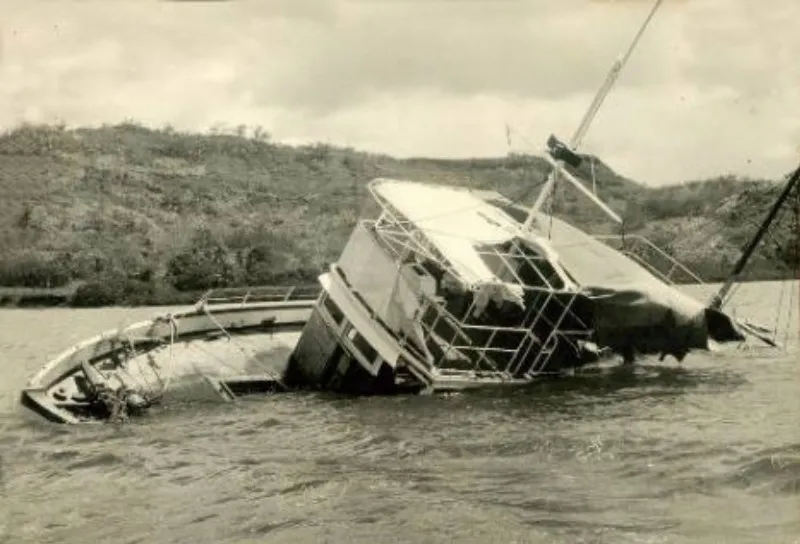
Found Drifting 600 Miles Off Course: The MV Joyita, 1955
A 69-foot wooden cabin cruiser sailed from Apia for the Tokelau Islands on 3 October 1955 with 25 people aboard, missed her destination, and was found five weeks later drifting derelict more than 600 miles west of her route. A New Zealand Crown Commission of Inquiry established how she flooded but declared the fate of the 25 inexplicable on the evidence submitted.
The open question What persuaded an experienced master, a doctor, and a district officer to leave a buoyant ship in deep Pacific water, and where the 25 people who left her went.
-
Hurd Deep, 16 April 1951: the loss of HMS Affray
A Royal Navy training submarine dived in the English Channel on the evening of 16 April 1951 and never surfaced. A Board of Inquiry identified material failure of her snort mast as the most likely immediate cause. Seven months later the First Lord of the Admiralty told the House of Commons there was insufficient evidence to enable him to say with certainty why Affray was lost. The Director of Naval Construction reportedly disagreed with the Board in private. Seventy-five years on, the Ministry of Defence has not revised that position.
The open question Did HMS Affray sink because her snort mast failed from metal fatigue, or because of a catastrophic internal event the Board of Inquiry could not identify, which left the broken mast as artefact rather than cause?
-
The Listing Coal Carrier off St Augustine: The Loss of the SS Cotopaxi, 1 December 1925
A coal-laden bulk freighter cleared Charleston on 29 November 1925, transmitted a wireless distress reporting a list in a tropical storm on or about 1 December, and never reached Havana. Ninety-five years later a wreck thirty-five nautical miles off St Augustine was identified as her hull. The cause of her loss is still open.
The open question What caused the SS Cotopaxi, a coal-laden bulk freighter with documented hatch-cover negligence and a fresh wireless distress call reporting a list, to founder on or about 1 December 1925, 35 nautical miles off St Augustine, Florida?
-
Off the Farallones, 25 March 1921: the loss of USS Conestoga
A 170-foot US Navy ocean tug cleared the Golden Gate in March 1921 and disappeared with all 56 of her crew. The wreck was located in 2009 and identified by NOAA and the Navy in March 2016, ninety-five years almost to the day after she sailed; the cause of her loss remains officially undetermined.
The open question What sank USS Conestoga off the Farallones between her 3:25 p.m. clearance of the Golden Gate on 25 March 1921 and the moment she came to rest at 189 feet of water three miles off Southeast Farallon Island?
-
Found Under Full Sail: The Carroll A. Deering, 1921
A near-new five-masted schooner was found hard aground on Diamond Shoals with every sail set, both lifeboats gone, her steering smashed, and her crew of about eleven never seen again. Here the eerie details are mostly real, recorded by the Coast Guard and a five-department federal investigation. The certainty of a pirate capture rested on a confessed hoax, and the Bermuda Triangle is a later overlay on a 1921 event.
The open question What became of the eleven men who left the Deering under full sail, and whether they went by mutiny, hijacking, or storm-driven abandonment.
-
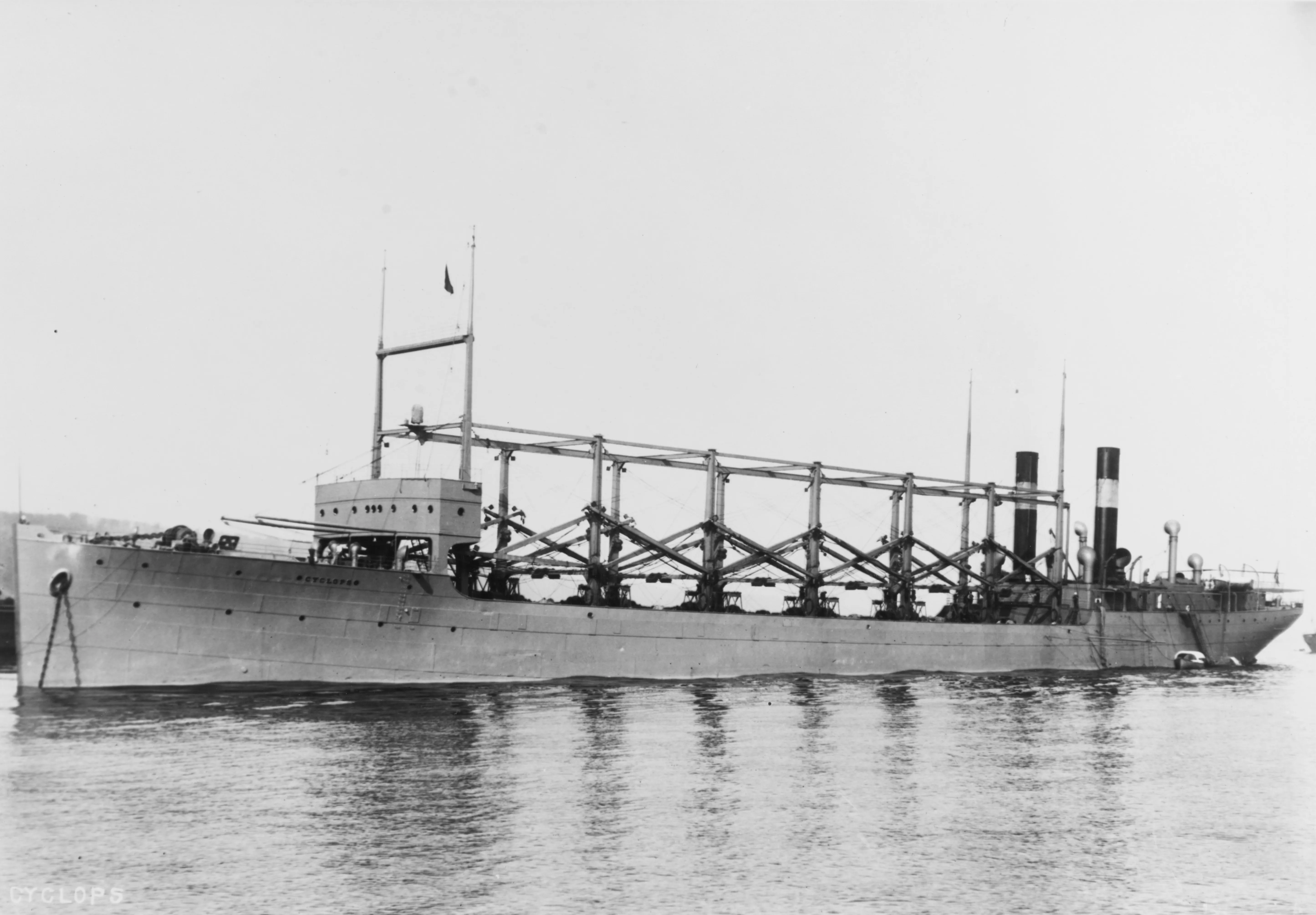
Vanished With All Hands: USS Cyclops, 1918
A 540-foot Navy collier with about 300 people aboard left Barbados for Baltimore in March 1918 and was never seen again, the largest non-combat loss of life in United States Navy history. The official cause is still unknown. The leading engineering explanation lies in the dense manganese ore she carried, and in two sister ships later lost the same way, while the wartime treachery suspicions and the Bermuda Triangle framing are things the record does not support.
The open question What sent USS Cyclops and her roughly 300 men to the bottom without a wreck, a body, or a signal, somewhere between Barbados and Baltimore in March 1918.
-
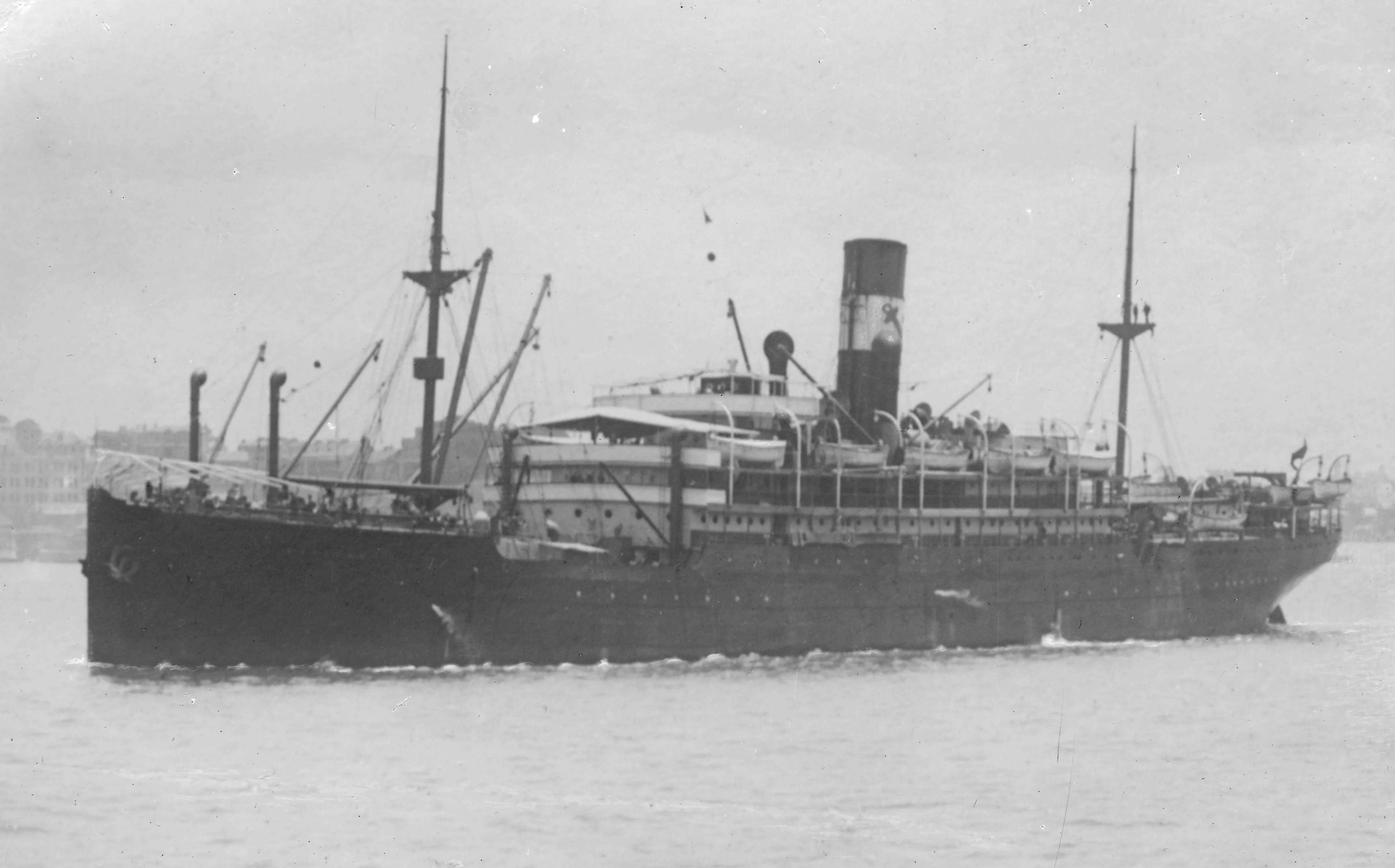
The Liner That Never Reached Cape Town: SS Waratah, 1909
A year-old Blue Anchor liner left Durban for Cape Town in July 1909 with 211 people aboard, was last seen by another ship the next morning, and vanished in a gale with no wreckage, no bodies, and, to this day, no confirmed wreck. A 14-month British inquiry could not fix the cause. The central question of whether she was dangerously unstable was contested at that inquiry, and more than a century of searches has found nothing.
The open question What sent SS Waratah and her 211 people to the bottom somewhere off the Wild Coast in July 1909, a dangerously unstable ship or simply an exceptional sea, given that no wreck has ever been found.
-
North Atlantic, February 1893: the disappearance of the SS Naronic
A near-new White Star cattle and cargo steamer left Liverpool for New York on 11 February 1893 with 74 souls aboard and was never seen again. The first physical trace was two empty lifeboats sighted by another ship three weeks later. A Board of Trade inquiry could not fix the cause and 132 years on the loss is still unsolved.
The open question What sank the SS Naronic between her 11 February 1893 departure from Liverpool and the Coventry's 4 March 1893 sighting of her empty lifeboats?
-
The Last Sail from Bermuda: HMS Atalanta and the Atlantic Gale of February 1880
HMS Atalanta departed the Royal Naval Dockyard, Bermuda, on 31 January 1880 with 281 officers, ratings, boy seamen, and Royal Marines, met the documented Atlantic gale of 12 to 16 February 1880, and was never seen again; the Committee of Inquiry of 29 December 1880 returned no reliable cause, the wreck has never been located, and 146 years on the loss is still unresolved.
The open question What became of HMS Atalanta, the Royal Navy training ship that sailed from the Royal Naval Dockyard, Bermuda, on 31 January 1880 bound for Falmouth with 281 officers, ratings, boy seamen, and Royal Marines, after she met the documented mid-Atlantic gale of 12 to 16 February 1880, never arrived in England, and produced only wreckage reports from HMS Avon near the Azores, a sunken-bow sighting by the German brig W. von Freeden in September 1880, and two hoax message bottles, with the Committee of Inquiry of December 1880 finding no reliable trace of the cause?
-
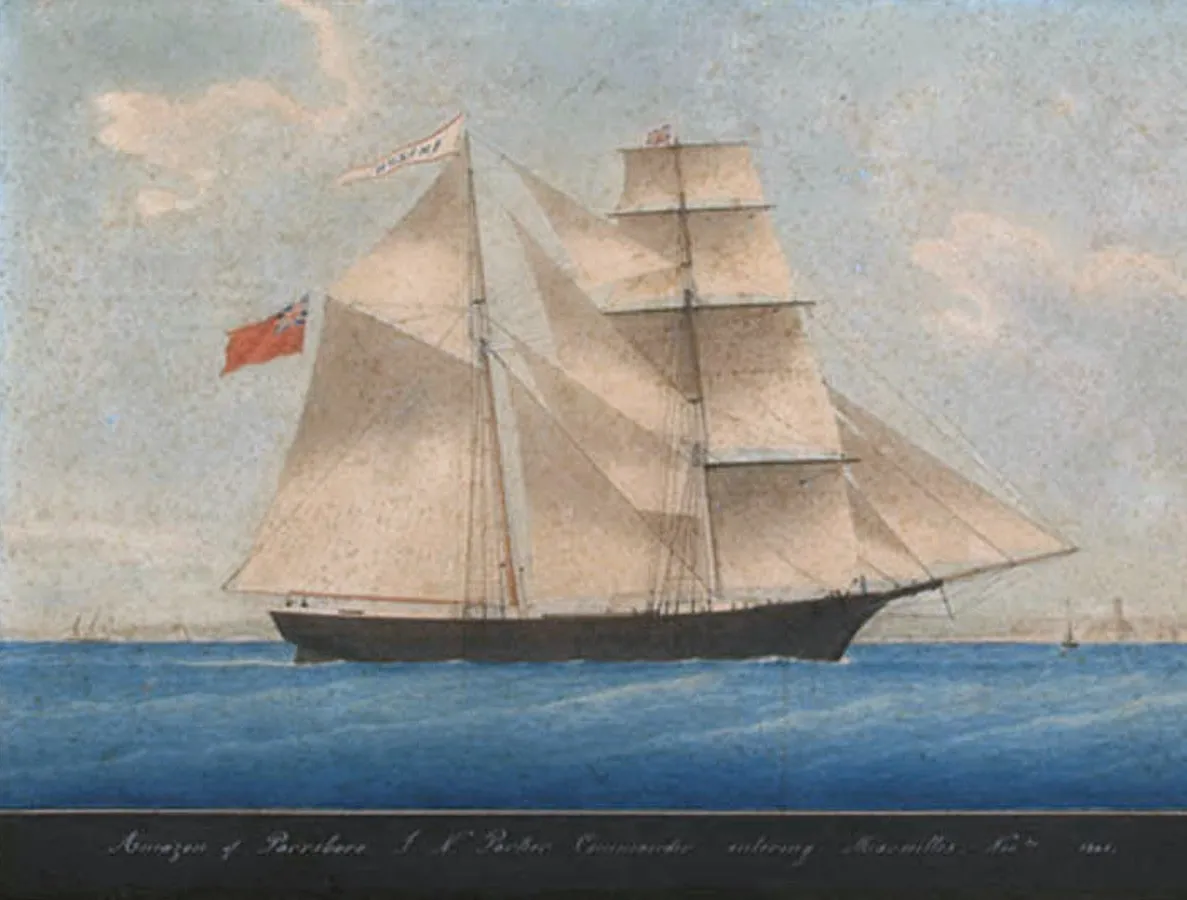
A Sound Ship, Abandoned: The Mary Celeste, 1872
A seaworthy American brigantine was found adrift east of the Azores with her one boat gone and ten people missing. The famous version, with its warm breakfast and untouched coffee, is fiction. The documented case is stranger, and harder to close.
The open question What alarm convinced an experienced captain to put ten people into a single small boat beside a sound, seaworthy ship, and why none of them were ever found.
-
Victoria Strait, 22 April 1848: the lost Franklin Expedition
A printed Admiralty form in a stone cairn on King William Island records that 105 men abandoned HMS Erebus and HMS Terror on 22 April 1848. None reached help. For 180 years the cumulative cause of their deaths has been contested, even after Inuit oral history guided Parks Canada to the wreck of Erebus in 2014 and the Arctic Research Foundation to Terror in 2016.
The open question What killed the 105 survivors of HMS Erebus and HMS Terror after they abandoned their ice-beset ships in Victoria Strait on 22 April 1848 and marched south down the west coast of King William Island toward Back's Fish River?