The Cold File: documented, unsolved mysteries
Documented, unsolved mysteries, told from the record. Every factual claim is traceable to a source, every theory is marked as a theory, and we are honest about what is not known.
106 cases on file. 6 pillars. First case 1100, latest 1986.

UAP Featured case
22 September 1979, 00:53 UTC: the Vela 6911 double flash
A ten-year-old US satellite, two years past its design lifetime, recorded a characteristic nuclear double flash over the southern Indian Ocean at 00:53 UTC. The CIA's first scientific panel called the signal consistent with a nuclear explosion. A second White House panel, eight months later, called it probably not nuclear. The CIA, DIA, Naval Research Laboratory, and Energy Department dissented; CIA later settled on '90% plus.' Forty years on, peer-reviewed reanalyses say the optical, hydroacoustic, and radionuclide evidence is consistent with a small atmospheric test. No government has confirmed.
- Case type
- UAP
- Status
- Disputed
- Event date
- September 22, 1979
- Location
- Southern Indian Ocean, between the Prince Edward Islands and the Crozet Islands / Indian Ocean
- Evidence
-
- Instrumental
- Official record
- Physical
The open question What produced the characteristic nuclear-detonation double flash recorded by the Vela 6911 satellite at 00:53 UTC on 22 September 1979, given the unresolved conflict between the White House Ruina Panel's 'probably not nuclear' finding and the CIA, DIA, Energy Department, and Naval Research Laboratory record pointing toward a small atmospheric nuclear test?
Recent additions
-
Near Montgomery, Alabama, 02:45 CST 24 July 1948: the Chiles-Whitted UFO encounter
Two Eastern Air Lines pilots signed sworn statements within forty-eight hours describing a wingless object passing their DC-3, a Project Sign intelligence assessment built partly on their account reached the USAF Chief of Staff in October 1948 and was rejected and ordered destroyed, and seventy-eight years later neither the sighting nor the document have been settled.
The open question What did Captain Chiles and First Officer Whitted encounter at 02:45 CST on 24 July 1948 in their Eastern Air Lines DC-3 about twenty miles southwest of Montgomery, Alabama, and did the Project Sign Estimate of the Situation that General Vandenberg rejected and ordered destroyed in October 1948 correctly identify it as extraterrestrial?
-
Bay of Bengal, 8 November 1935: the disappearance of Lady Southern Cross
A modified Lockheed Altair carrying Sir Charles Kingsford Smith and Tommy Pethybridge passed a fellow Australian aviator at three in the morning over the Bay of Bengal, fighting a storm with flame trailing from its exhaust, and was never heard from again. Ninety years on, one undercarriage leg washed up on a Burmese beach is the only piece of it ever recovered.
The open question What brought down the Lockheed Altair Lady Southern Cross over the Bay of Bengal on the night of 7 to 8 November 1935, between Jimmy Melrose's 03:00 sighting and the May 1937 arrival of one undercarriage leg on the beach of Aye Island?
-
Berkeley Castle, 21 September 1327: the contested death of Edward II
For 699 years two documents have contradicted each other. One is the death notice issued by the Mortimer-Isabella regime and reaffirmed by the 1330 Parliament that hanged Roger Mortimer for procuring the murder. The other is a Latin letter found in a Montpellier register in the 1870s in which a Genoese papal notary tells Edward III that his father escaped Berkeley and died as a hermit in Lombardy.
The open question Did Edward II of England die at Berkeley Castle on the night of 21 September 1327, as the Mortimer-Isabella regime announced and the 1330 Westminster Parliament reaffirmed in convicting Roger Mortimer of procuring his murder, or did he escape to live as an Italian hermit at Sant'Alberto di Butrio, as the c. 1336 Fieschi Letter records?
-
Victoria Strait, 22 April 1848: the lost Franklin Expedition
A printed Admiralty form in a stone cairn on King William Island records that 105 men abandoned HMS Erebus and HMS Terror on 22 April 1848. None reached help. For 180 years the cumulative cause of their deaths has been contested, even after Inuit oral history guided Parks Canada to the wreck of Erebus in 2014 and the Arctic Research Foundation to Terror in 2016.
The open question What killed the 105 survivors of HMS Erebus and HMS Terror after they abandoned their ice-beset ships in Victoria Strait on 22 April 1848 and marched south down the west coast of King William Island toward Back's Fish River?
-
Wales, 20 September 1415: the disappearance of Owain Glyndŵr
A 1412 ambush at Brecon is the last secure attestation. Three years later a Welsh ecclesiastical lawyer at Usk wrote that Owain had died in hiding in the house of one of his daughters, that his followers buried him in the dark, and that when his enemies found the grave they had to move him. Six hundred and ten years on, neither the date nor the burial place has been settled.
The open question Did Owain Glyndŵr die on the night of 20 to 21 September 1415 in the house of one of his daughters in Wales, as Adam of Usk's contemporary Chronicon records, and if so where is he buried?
-
The Walnut over Fort Yukon: The JAL 1628 UAP Encounter Over Alaska, 17 November 1986
A Boeing 747 freighter crew tracked a walnut-shaped object for thirty-two minutes over Alaska, returns appeared briefly on three radar systems, the FAA released the data and said it was unable to confirm a second aircraft, and in 2001 the FAA division chief who ran the inquiry described a Round Room briefing he says the CIA told him never happened.
The open question What did Captain Kenju Terauchi and the JAL 1628 crew see for thirty-two minutes over Alaska on 17 November 1986, simultaneously appearing as intermittent primary radar returns on FAA Anchorage ARTCC, USAF Elmendorf ROCC, and Anchorage Tower screens, and what really happened in the FAA Round Room briefing John Callahan described in 2001?
-
The Trans-en-Provence Trace: A French Space Agency's Most Documented UAP Case
On the late afternoon of 8 January 1981, a man working at the bottom of his terraced garden in a small Provençal village watched an oval, lead-colored object descend, sit briefly on the ground, and depart in silence. The French national space agency's UAP unit ran the most thoroughly documented single investigation in its files and concluded it could not explain the result through any single conventional mechanism. Forty-five years on, the institutional classification has not been amended, and the published critical literature disputes the analysis.
The open question What was the oval object Renato Nicolaï observed land and depart from his garden on the late afternoon of 8 January 1981, given that the GEPAN investigation produced laboratory-analyzed physical effects on the soil and vegetation that the analysts could not account for through any single conventional mechanism, and that the published critical literature disputes that conclusion?
-
Lights in the Pines: The 1980 Rendlesham Forest Incident
Over two nights at the edge of a Suffolk forest, American airmen guarding nuclear-armed bases reported lights they could not explain, and a deputy base commander put it in writing. What they actually saw has been argued over ever since.
The open question Do a bright fireball, the Orford Ness lighthouse, and scintillating stars account for everything trained personnel reported over two nights, or does the close-range object some witnesses describe resist that explanation?
-
22 September 1979, 00:53 UTC: the Vela 6911 double flash
A ten-year-old US satellite, two years past its design lifetime, recorded a characteristic nuclear double flash over the southern Indian Ocean at 00:53 UTC. The CIA's first scientific panel called the signal consistent with a nuclear explosion. A second White House panel, eight months later, called it probably not nuclear. The CIA, DIA, Naval Research Laboratory, and Energy Department dissented; CIA later settled on '90% plus.' Forty years on, peer-reviewed reanalyses say the optical, hydroacoustic, and radionuclide evidence is consistent with a small atmospheric test. No government has confirmed.
The open question What produced the characteristic nuclear-detonation double flash recorded by the Vela 6911 satellite at 00:53 UTC on 22 September 1979, given the unresolved conflict between the White House Ruina Panel's 'probably not nuclear' finding and the CIA, DIA, Energy Department, and Naval Research Laboratory record pointing toward a small atmospheric nuclear test?
-
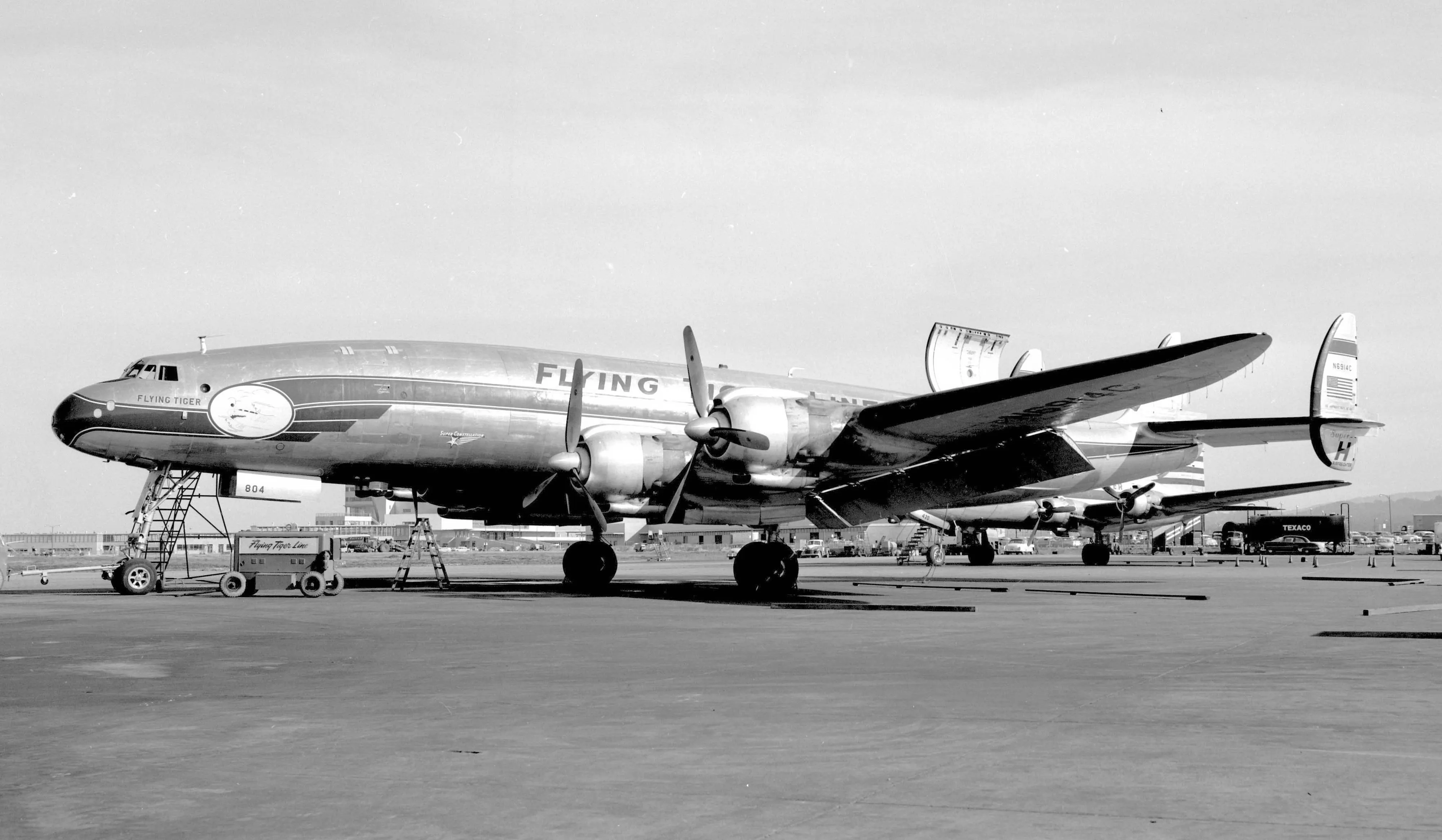
The Light Over the Philippine Sea: Flying Tiger Line Flight 739, 1962
A chartered airliner carrying 107 people, most of them US Army soldiers bound for Vietnam, vanished over the western Pacific in 1962, leaving no distress call and no wreckage. The one thing the record holds is an explosion five men on a tanker watched fall into the sea, and a federal board that wrote down it could not determine why.
The open question What destroyed Flying Tiger Line Flight 739 over the western Pacific, and why was no trace of it ever found?
-
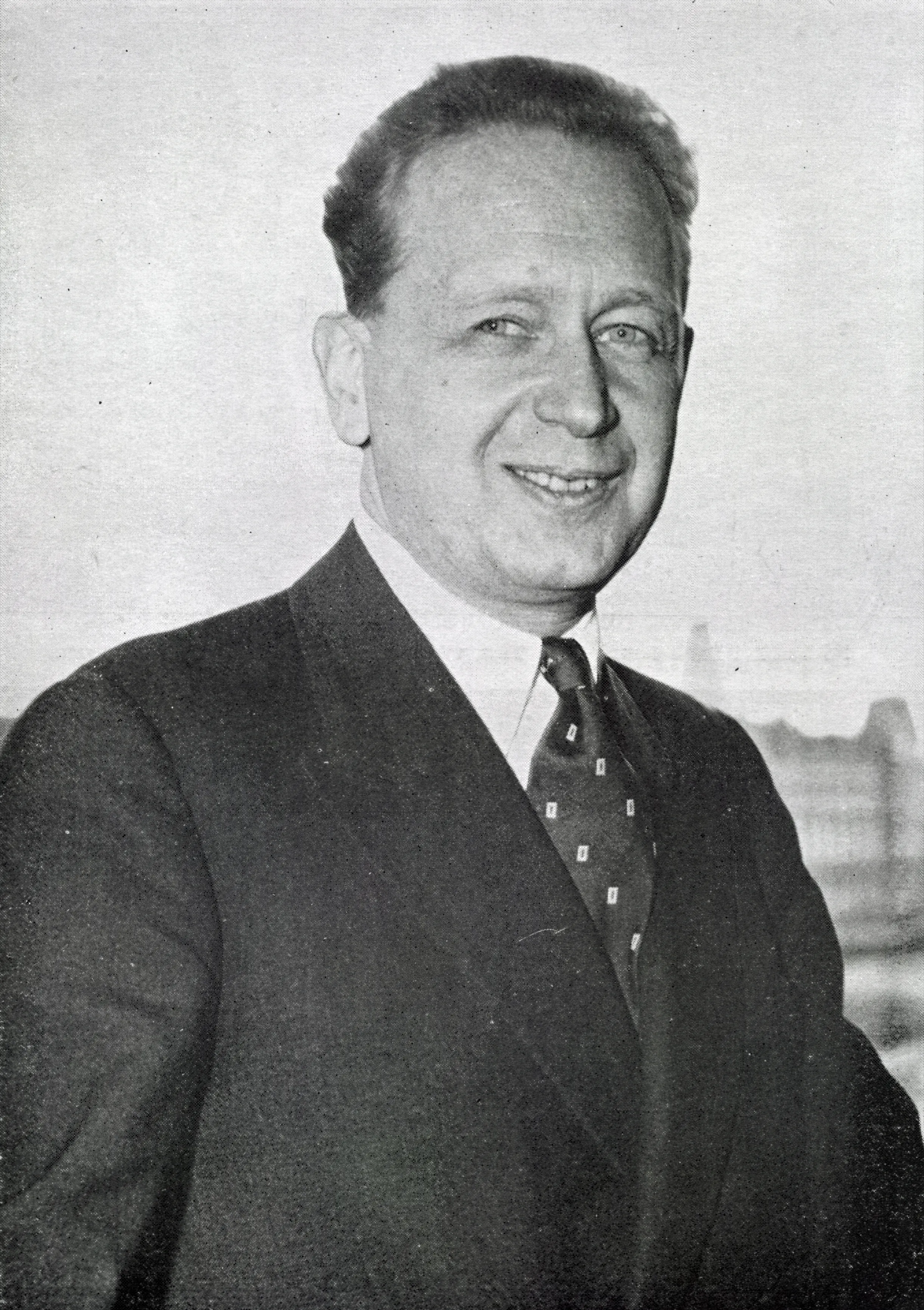
The Night Approach to Ndola: The Death of Dag Hammarskjold, 1961
The second Secretary-General of the United Nations died when his aircraft crashed on a night approach in a central African war zone in 1961. Colonial-era inquiries called it pilot error and the UN of the day returned an open verdict. Decades later the UN's own appointed investigator concluded the accident verdict cannot be sustained, and the case is one the United Nations still refuses to call closed.
The open question What brought down the aircraft carrying UN Secretary-General Dag Hammarskjold near Ndola in 1961, and why can the cause still not be determined?
-
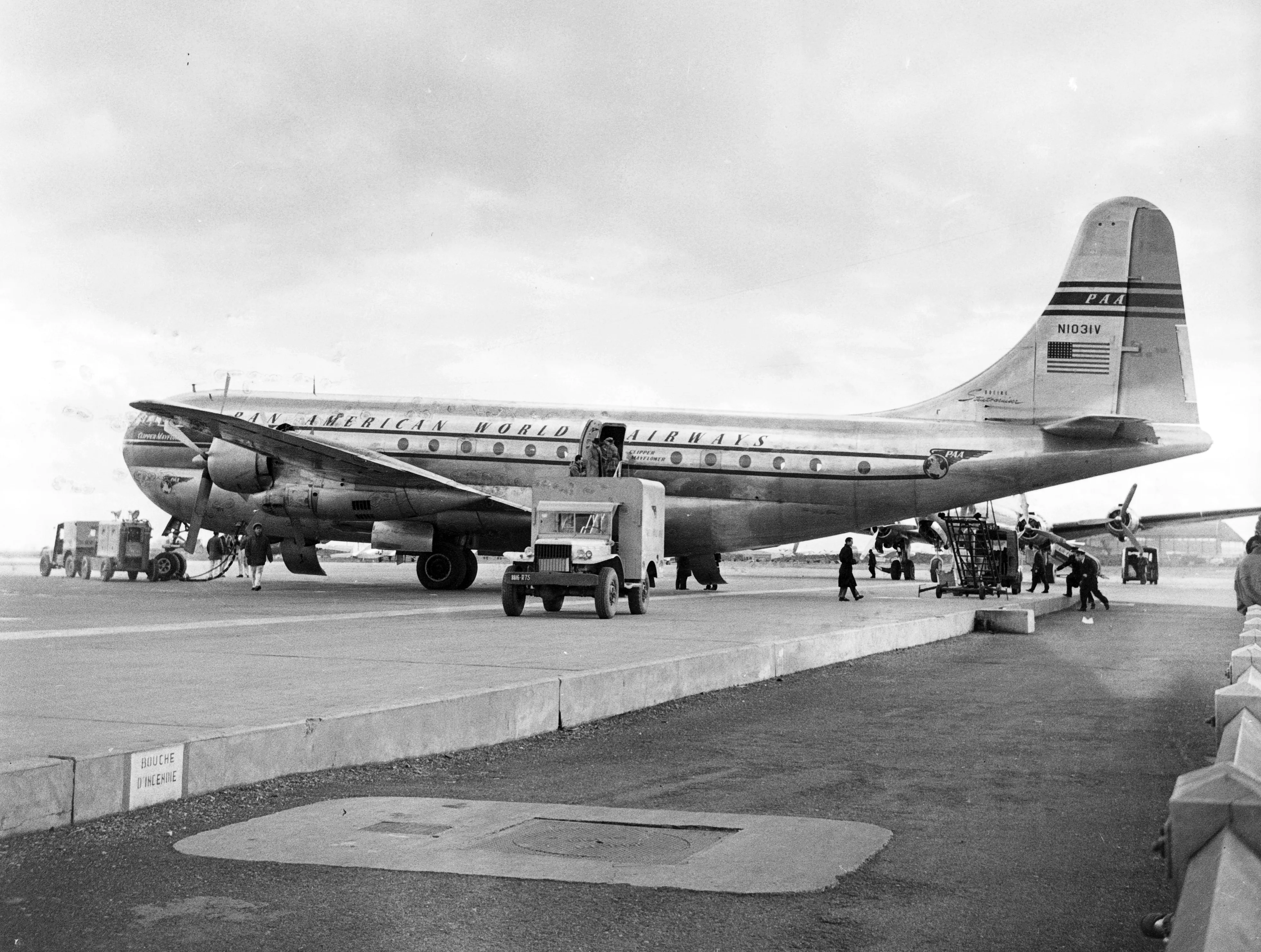
Pan Am Flight 7: 67 years and a finding the Board refused to make
A Boeing Stratocruiser left San Francisco for Honolulu on 8 November 1957 and never reported again. A federal board took the case seriously, recovered debris and 19 bodies, found elevated carbon monoxide in 14 of them, and then declined to name a cause. That line has stood for 67 years.
The open question What happened to Pan Am Flight 7 between the routine 5:04 p.m. PST position report on 8 November 1957 and the in-flight event that left 19 recovered bodies, watches stopped at varying times, elevated carbon monoxide in many of the recovered remains, and a debris field 90 nautical miles north of track?
-
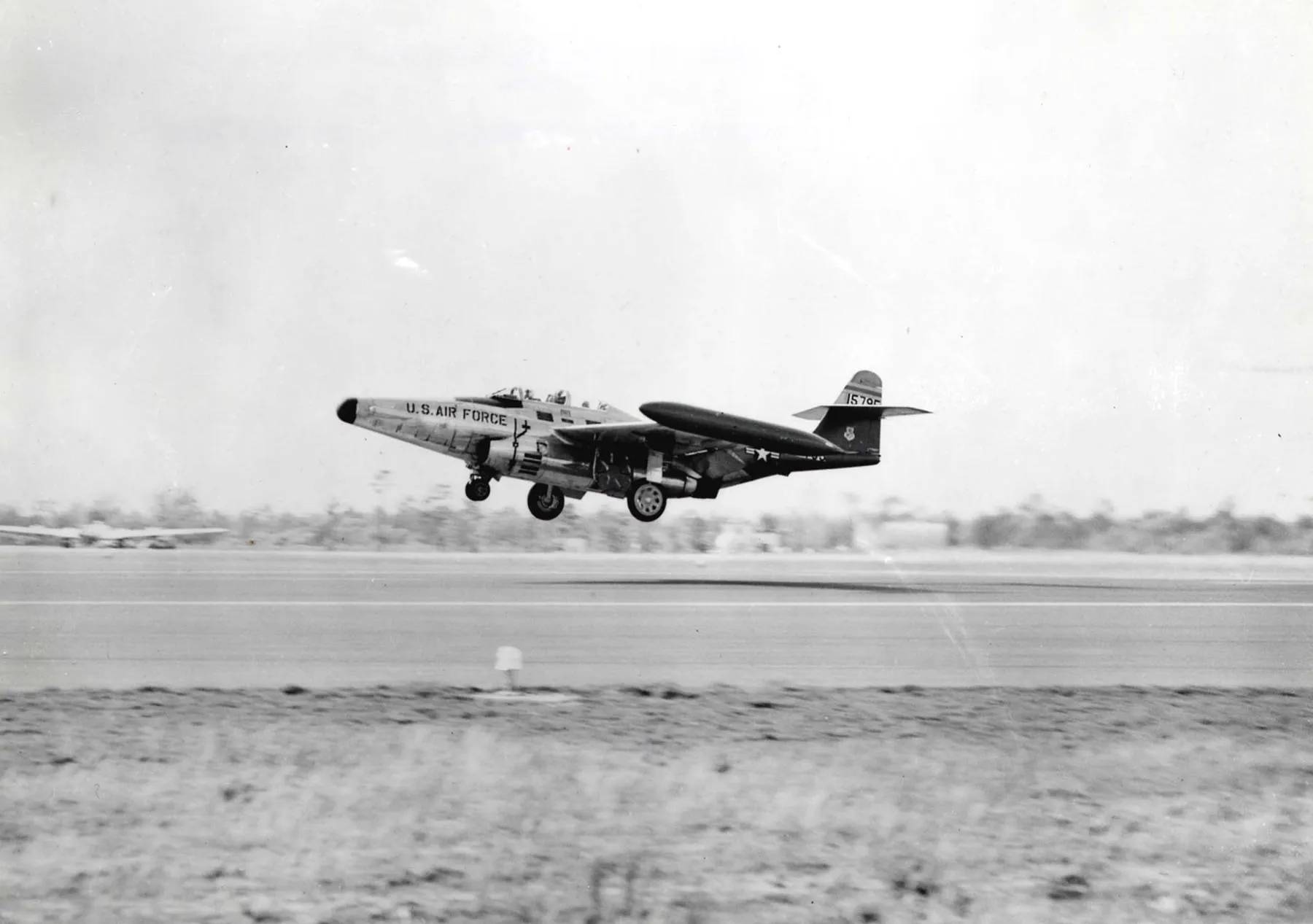
Two Radar Blips Merging Over Lake Superior: The Kinross Incident, 1953
On a November night in 1953, a US Air Force interceptor was vectored onto an unknown target over Lake Superior. The two radar returns merged on the scope, the jet vanished without a distress call, and no wreckage has ever been found. The official explanation accuses an air force that has formally denied it.
The open question What was the unknown radar return that an alert-status F-89 was vectored onto over Lake Superior on 23 November 1953, and what happened to the interceptor when the two returns merged on the scope?
-
Twenty Metres Above the Waterline: The Loss of MV München, 1978
A modern West German LASH carrier vanished in an exceptional North Atlantic storm in December 1978, leaving only fragmentary distress signals, scattered debris, and a starboard lifeboat whose davit pins had been bent fore to aft some twenty metres above her waterline. The storm broke her. The specific mechanism that destroyed her so quickly is what the Seeamt Bremerhaven could not establish, and what the case is still about.
The open question What specifically destroyed MV München so quickly in the North Atlantic storm of 12-13 December 1978 that her radio messages were already garbled and her position 100 nautical miles off, when her wreck has never been found and her official inquiry held that the cause could not be established with certainty.
-
The Loss of MV Berge Istra: An Ore-Bulk-Oil Carrier Vanished in the Western Pacific, 29 to 30 December 1975
A 227,550 dwt Liberian-flagged, Norwegian-owned ore-bulk-oil carrier on a Tubarão-to-Kimitsu iron-ore voyage with a crew of 32 went silent in the western Pacific southeast of Mindanao on or about 29 to 30 December 1975; nineteen days later, the Japanese fishing vessel Hachi-O-Maru 6 picked up two Canarian able seamen, Imeldo Barreto León and Epifanio Perdomo López, on an improvised raft, the only survivors; the Liberian flag-state inquiry attributed the loss to an internal explosion of hydrocarbon vapours but did not publish its full findings; no wreckage has ever been recovered.
The open question What destroyed MV Berge Istra, the 227,550 dwt ore-bulk-oil carrier (Liberian flag, Norwegian-owned by Sig. Bergesen d.y. of Bergen, built 1972 at Uljanik shipyard Pula Yugoslavia) en route from Tubarão Brazil to Kimitsu Japan with iron ore and a crew of 32, between her last position report on or about 29 to 30 December 1975 in the western Pacific southeast of Mindanao and the picking up of the only two survivors (Canarian able seamen Imeldo Barreto León and Epifanio Perdomo López) by the Japanese fishing vessel Hachi-O-Maru 6 on 18 January 1976, when the survivors reported two large explosions amidships and a sinking within approximately four minutes, when the Liberian flag-state inquiry attributed the loss to an internal explosion of hydrocarbon vapours from inadequately cleaned wing tanks combined with inert-gas system failure but did not publish its full findings, when the sister OBO Berge Vanga vanished on the same trade in October 1979 with all 40 hands and no survivors in similar circumstances, and when no wreckage of either ship has ever been recovered?
-
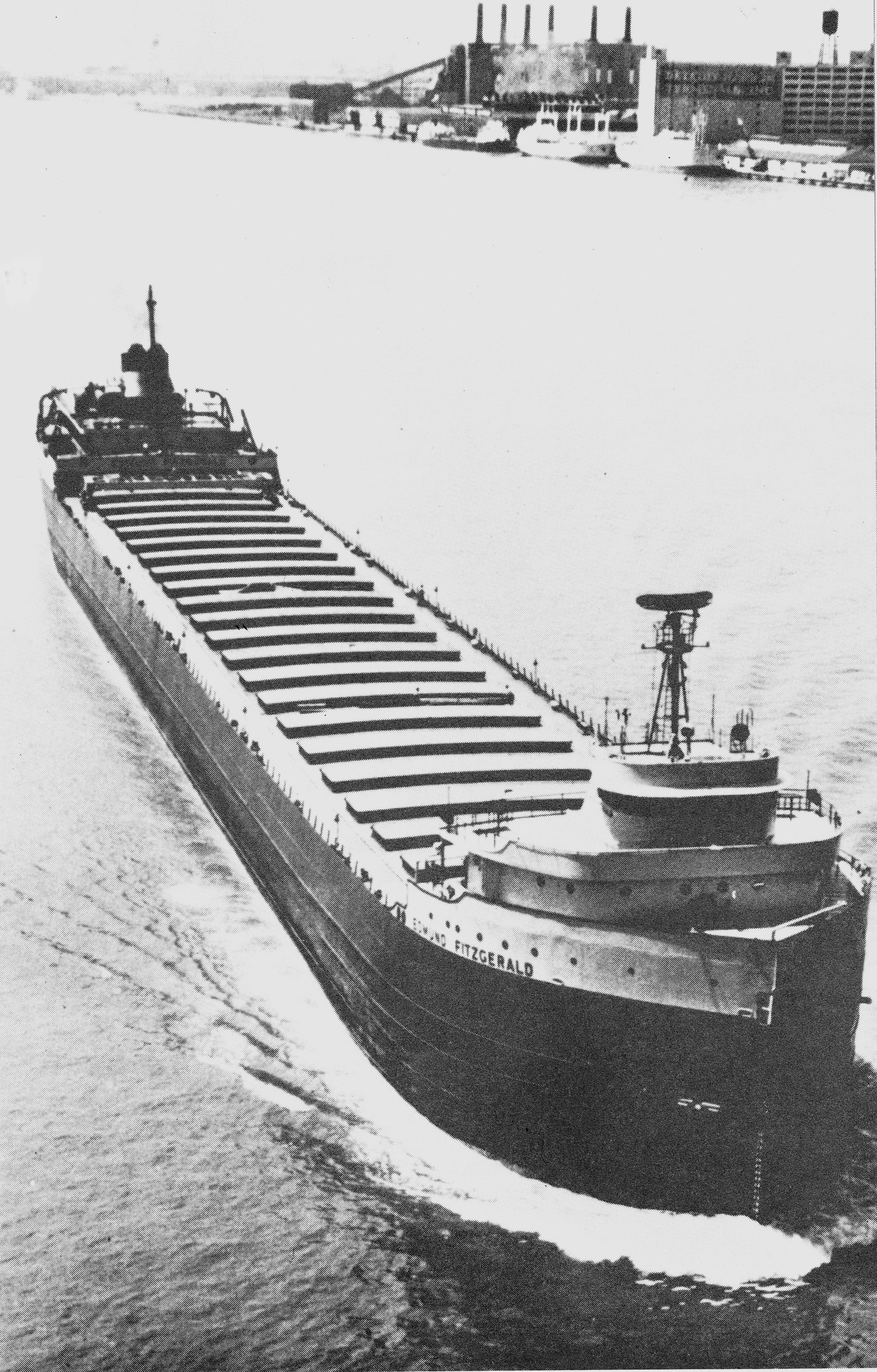
Holding Our Own: The Sinking of the Edmund Fitzgerald, 1975
The largest ship on the Great Lakes vanished from a companion vessel's radar in under ten minutes, with no distress call, on a November night in 1975. The storm sank her. Which failure delivered the killing blow is the part three official investigations could never agree on.
The open question What sent the Edmund Fitzgerald to the bottom of Lake Superior in minutes, with no distress call, and why could the official investigations never agree on which failure caused it.
-
The 16,500-Foot Recovery: The Loss of K-129 and the Birth of the Glomar Response, 1968 to 1976
A Soviet ballistic missile submarine went down in the North Pacific in March 1968. Six years later the CIA used a purpose-built ship to lift part of her from 16,500 feet, the operation broke into the press in 1975, and a 1976 FOIA case turned the agency's silence into a doctrine. The cause of the sinking is still contested.
The open question What caused the loss of Soviet submarine K-129 in the North Pacific on or about 8 March 1968 with all 98 crew: a battery hydrogen explosion during snorkeling, a collision with USS Swordfish, an R-21 missile propellant failure, a snorkel induction failure, or some combination?
-
The Walk in the Cameron Highlands: The Disappearance of Jim Thompson, 1967
A globally famous man walked out of a hill bungalow in Malaysia on Easter Sunday 1967 to take an afternoon stroll and never came back. One of the largest land searches in Malaysian history found no body and no trace, and the cause of his disappearance has never been established.
The open question What happened to Jim Thompson after he walked out of a Cameron Highlands bungalow on Easter Sunday 1967, and why was no trace of him ever found?
-
Naples to Palermo, 25 March 1938: the disappearance of Ettore Majorana
On consecutive days the 31-year-old theoretical physicist posted two letters that contradict each other on the question of whether he meant to die. Eighty-eight years on, a contested 2015 Italian prosecutorial filing reads the case one way, and the documentary record still does not close.
The open question What happened to Ettore Majorana between his 26 March 1938 departure from Palermo aboard the return Tirrenia steamer and the docking in Naples the next morning, and was the man photographed as 'Bini' in Valencia, Venezuela in June 1955 actually him?
-
The Last Word from N-209: The Disappearance of Sigizmund Levanevsky and Crew on the Trans-Polar Flight, 13 August 1937
The third Soviet trans-polar flight of 1937, after Chkalov in June and Gromov in July, lifted off from Shchelkovo airfield outside Moscow on 12 August with a six-man crew and the political weight of a propaganda program; the aircraft crossed the North Pole the next afternoon, reported an engine failure and icing, and vanished, and after eighty-eight years of Soviet, American, Canadian, and Russian Geographic Society searching, the cause is still genuinely open.
The open question What became of Sigizmund Levanevsky and his five crew aboard the Bolkhovitinov DB-A USSR-N209, last in radio contact at 17:58 Moscow time on 13 August 1937 over the polar ice cap, after reporting an engine failure, heavy cloud, and icing?
-
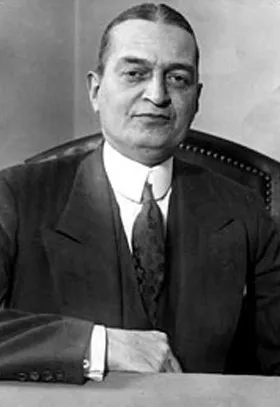
The Missingest Man in New York: Justice Joseph Force Crater, 6 August 1930
A sitting New York Supreme Court justice walked out of a Manhattan chophouse on a Wednesday evening in August 1930 and was never positively seen again. A grand jury, the NYPD, the City Bar, and the Seabury Commission worked the surrounding ground. None reached a determination. Ninety-five years on, the only formal finding remains a Surrogate's Court declaration of death.
The open question What happened to Justice Joseph Force Crater between the moment he stepped into a taxicab on West 45th Street on the evening of 6 August 1930 and the absence of any subsequently confirmed positive sighting in the ninety-five years since?

-
The Coffee Tray Outside the Bedchamber Door: The Death of Pope John Paul I, 28-29 September 1978
Pope John Paul I was found dead in his bed in the Apostolic Palace 33 days after his election. No autopsy was performed; David Yallop's 1984 In God's Name alleged poisoning, John Cornwell's 1989 BBC-commissioned inquiry proposed pulmonary embolism instead of the certified myocardial infarction, Stefania Falasca's 2017 Vatican-archive monograph supported the official natural-cause finding, and Pope Francis beatified Luciani in 2022, but the cause remains forensically open.
The open question What killed Pope John Paul I, Albino Luciani, in the papal apartment on the night of 28 September 1978, 33 days after his election: acute myocardial infarction as the Vatican certified without autopsy, pulmonary embolism as John Cornwell argued in 1989, poisoning by the Vatican Bank and P2 and Banco Ambrosiano network as David Yallop alleged in 1984, or institutional procedural failure compounding a natural death?
-
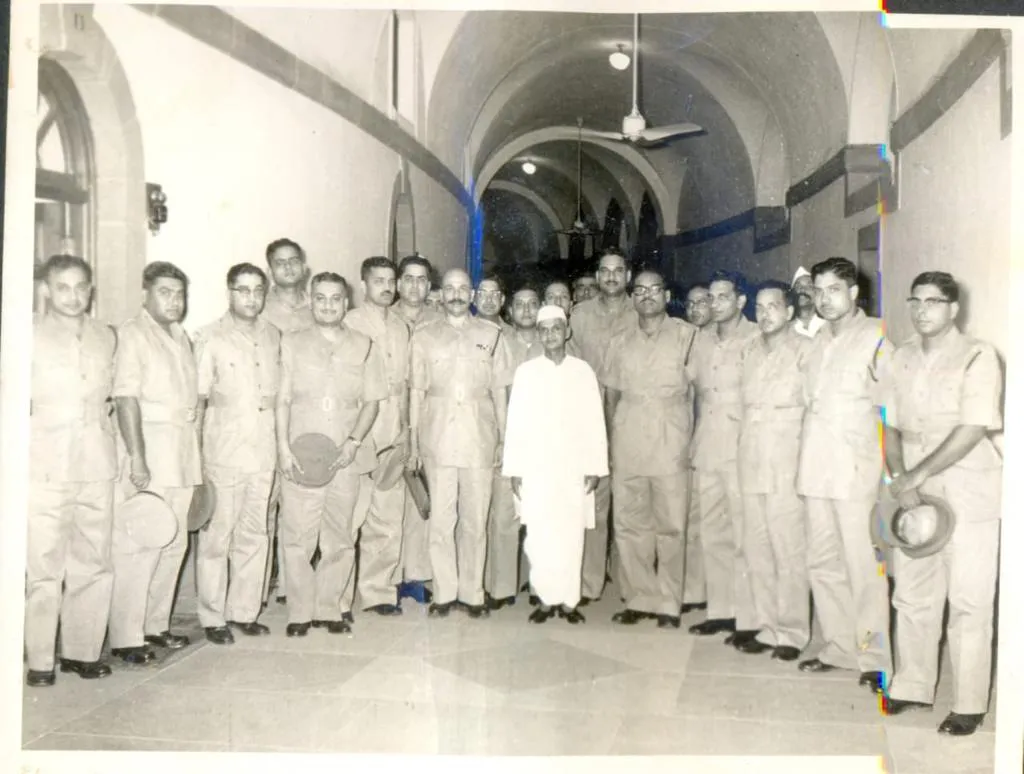
Tashkent, the Night of the Declaration: The Death of Lal Bahadur Shastri, 1966
Hours after signing the peace declaration that ended the 1965 India-Pakistan war, the second Prime Minister of India died in a Soviet-provided dacha in Tashkent. No autopsy was performed, no Indian inquiry report has ever been published, and on the Indian government's own RTI responses no comprehensive record of a comprehensive investigation can be located.
The open question What killed Indian Prime Minister Lal Bahadur Shastri in Tashkent on the night of 10-11 January 1966, and why has no autopsy and no comprehensive Indian inquiry ever settled the cause?
-
The Masks on Vintém Hill: The Lead Masks Case, 1966
On 20 August 1966 two electronics technicians, Manoel Pereira da Cruz and Miguel José Viana, were found dead side by side on a hill above Niterói, formally dressed, each wearing a crude home-made lead eye-mask, with a notebook of timed instructions beside them. The cause of death was never determined, because the forensic evidence that might have settled it was botched before it could be tested. The case has been read ever since as everything from a poisoning to a spiritist or UFO-contact attempt, with none of it proven.
The open question What killed Manoel Pereira da Cruz and Miguel José Viana on Vintém Hill, and what the lead masks and the notebook's 'capsules' and 'mask signal' were for, none of which the inconclusive forensics could ever answer?
-
Nine Who Cut Their Way Into the Cold: The 1959 Dyatlov Pass Incident
Nine experienced ski-hikers slit their tent open from the inside and walked into a lethal Ural night without their boots. Two state findings and a peer-reviewed model now point the same way, and still cannot close the file.
The open question Why did nine experienced hikers cut their way out of their tent into deadly cold and abandon their warm clothing, and does the leading slab-avalanche-and-hypothermia model truly account for the severe injuries and the scene the searchers documented?
-
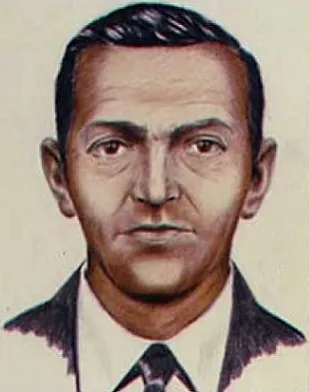
The Man Who Jumped: The Unsolved Hijacking of Flight 305, 1971
On the night before Thanksgiving 1971, a man in a dark suit hijacked a Northwest Orient jet, took $200,000 and four parachutes, and jumped into the dark over southwest Washington. After one of the largest manhunts in FBI history, the only unsolved air-piracy case in United States history was closed without a name. Who he was, and whether he survived the jump, are both still open.
The open question Who was the man who hijacked Flight 305 and parachuted into the night, and did he survive the jump?
-
The Woman Who Erased Herself: The Isdal Woman, 1970
She moved through Norway under at least eight names, scratched the labels from her clothes and her doctor's name from a prescription, and kept her own travels in code. Fifty years and a modern reinvestigation later, no one can say who she was, or how she died.
The open question Who was the woman who moved through Norway under at least eight false identities, and did she take her own life or was she killed?
-
The Name Was Only Graffiti: Who Put Bella in the Wych Elm, 1943
In April 1943 four boys found a woman's skull inside a hollow wych elm in Hagley Wood, and police recovered the skeletonized remains of an unidentified woman who had been concealed in the trunk around October 1941, gagged and most likely asphyxiated. She was never identified. The name "Bella" came from anonymous chalk graffiti, not from any identification, and the competing wartime-spy and witchcraft theories long outran an evidence trail that has since gone cold: the remains and the original forensic report are now lost.
The open question Who was the woman concealed inside the Hagley Wood wych elm, and who put her there, neither of which has ever been established?
-
The Bedroom at Westbourne: The Murder of Sir Harry Oakes, 1943
One of the wealthiest men in the British Empire was beaten to death in his bed in Nassau during a tropical storm in July 1943. His son-in-law was tried and acquitted by a 9-3 jury, the investigation was widely judged botched at the time, and the case remains officially unsolved.
The open question Who killed Sir Harry Oakes at Westbourne on the night of 7 to 8 July 1943, and why was the investigation so badly botched?

Every case, filterable. /browse/